
When a corporation earns profits, it can choose to reinvest funds in the business and pay portions of profits to its shareholders. There must be specific benefits to justify the costs of purchasing and implementing an accounting system. Once you’ve registered a business with its own tax ID, you need to keep accounting for distribution companies finances separate. When you’ve got a mix of personal and business expenditures on a credit card statement, you’re laying the groundwork for making mistakes. However, they include basic templates to help you easily compose invoices, account for deposits, and print up checks from your business account.

For shareholders, stock dividends can be a valuable way to increase their ownership stake and participate in the future growth of the company. Partnerships and sole proprietorships also distribute profits to their respective partners or owners. In these cases, distributions are often referred to as “draws” or “owner’s equity withdrawals.” The purpose remains the same – to provide a return on investment or ownership interest. Owner distributions reflect the company’s commitment to delivering value to its shareholders. By returning profits to owners, the company acknowledges shareholders’ investment and seeks to reward them for their support and participation in the business. Regular financial assessments are vital for evaluating the company’s financial performance, identifying trends, and assessing its capacity for owner distributions.
Some profits might be reinvested back into the business for things like expansion, equipment upgrades, or paying off debts. The decision on how much to distribute to owners versus reinvesting in the business depends on various factors, including the company’s financial goals and obligations. Owners need to understand this terminology to ensure accurate financial reporting and compliance with tax regulations. Working closely with accountants or financial advisors can help owners properly manage and document their draws following accounting standards and tax laws. Partner with an expert accounting team that understands the financial needs of all types of distribution companies. Since the distribution accounting system interfaces with other systems throughout the firm, it serves as a convenient source for all of the compliance reports.
QuickBooks is a comprehensive accounting software for small to medium-sized businesses. Unfortunately, this isn’t the only obstacle facing the distribution industry as the pandemic wanes. This article will discuss new challenges wholesale distributors face and how the right accounting software for distribution companies can help. Each type of distribution has its own implications for the financial statements and tax considerations.
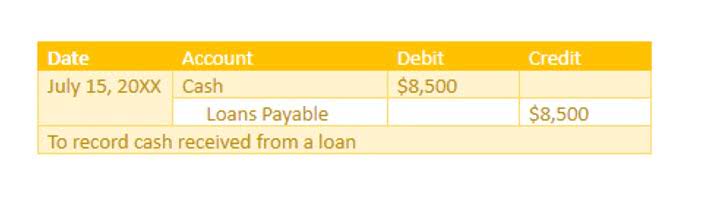
Since distribution companies typically transfer a large amount of product in and out of their warehouses, it’s important for them to accurately account for the purchase, inventory and sales process. Understanding capital requirements involves identifying the financial resources needed to support ongoing operations, investments, and strategic initiatives. Businesses must assess their short-term and long-term capital needs, including funding for inventory, equipment purchases, facility expansion, and technology upgrades. Evaluating growth prospects entails examining the company’s market opportunities, competitive landscape, and potential for expansion. You might want to ensure the journal entry is accurate and documented to maintain transparency and compliance with accounting principles. It’s also critical to regularly reconcile bank statements and accounting records to verify the accuracy of financial transactions and maintain financial integrity.
The activity in a distributor accounting or distribution company is largely dedicated to buying and selling things and delivering services to consumers… This post is published to spread the love of GAAP and provided for informational purposes only. In addition, we take no responsibility for updating old posts, but may do so from time to time. Dividends are a common way for investees to provide investors with a return “on” their investment. While this may be the most common conclusion, it is not the only possibility; the payment could be a return “of” the investment.
Company profits, cash flow, and financial health serve as crucial factors that influence the feasibility of owner distributions. Owners might consider leveraging available tax credits and deductions to offset tax liabilities related to owner distributions. These may include deductions for business expenses, credits for research and development activities, or utilization of investment tax credits where applicable. Moreover, owner distributions from certain types of entities, such as S corporations, may have implications for self-employment taxes.
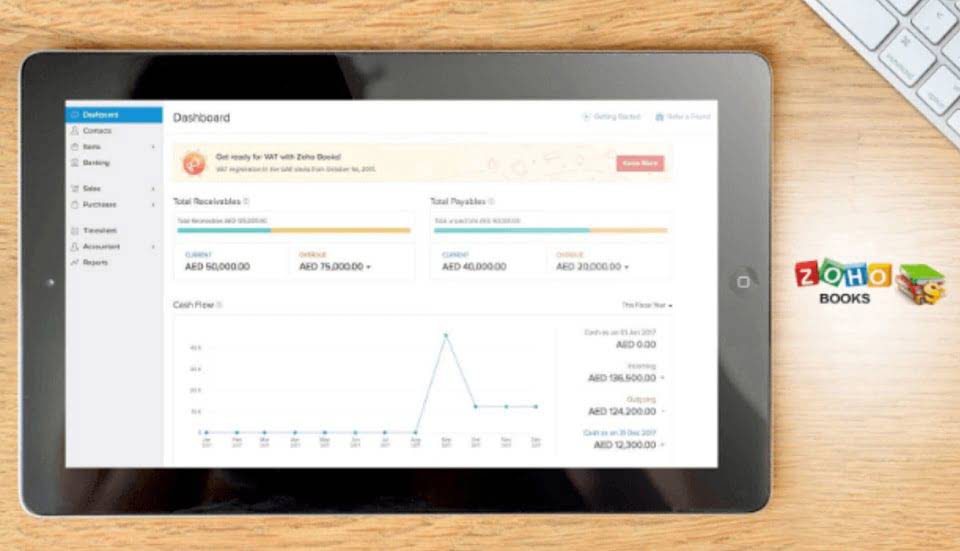
Govt puts in place additional measures to improve financial health of Discoms; accounting processes streamlined, ET ….
Posted: Mon, 31 Jul 2023 07:00:00 GMT [source]
Since operating your business is your priority, you need help with your bookkeeping. Luckily for you, FreshBooks accounting software for distribution companies provides a convenient and affordable option that will allow you to manage your books with ease. As a wholesale distribution company, you have a lot of cash flowing in and out of your accounts. And because you often serve as a mediator between two parties, it’s crucial that you keep your books with accuracy and precision. The distribution company normally keeps its inventory as an asset valued at cost.
Finding and keeping a team of experienced accountants can be challenging. Scrubbed is designed to accommodate staff changes so turnover won’t impact your business. Owner’s distributions are earnings an owner withdraws from their business.
Each account category plays a specific role in reflecting various aspects of a company’s financial position, performance, and activities. Owner distributions can take different forms, such as cash payments, shares of stock, or other business assets, being a way for owners to reap the benefits of their investment in the business. Understanding owner distributions is crucial for businesses as it directly impacts their financial health, shareholder relations, and long-term viability. They indicate a company’s profitability, stability, and commitment to delivering value to its stakeholders. While a shareholder distribution refers to paying a shareholder stock, cash, or property, other types of distributions are also available to individuals.
accutane costhttp://www.canadianpharmacy365.org/clomidbuy ambien